
← Back to Educational Resources
Practical resources on queen development, cell raising, source selection, drones and mating.
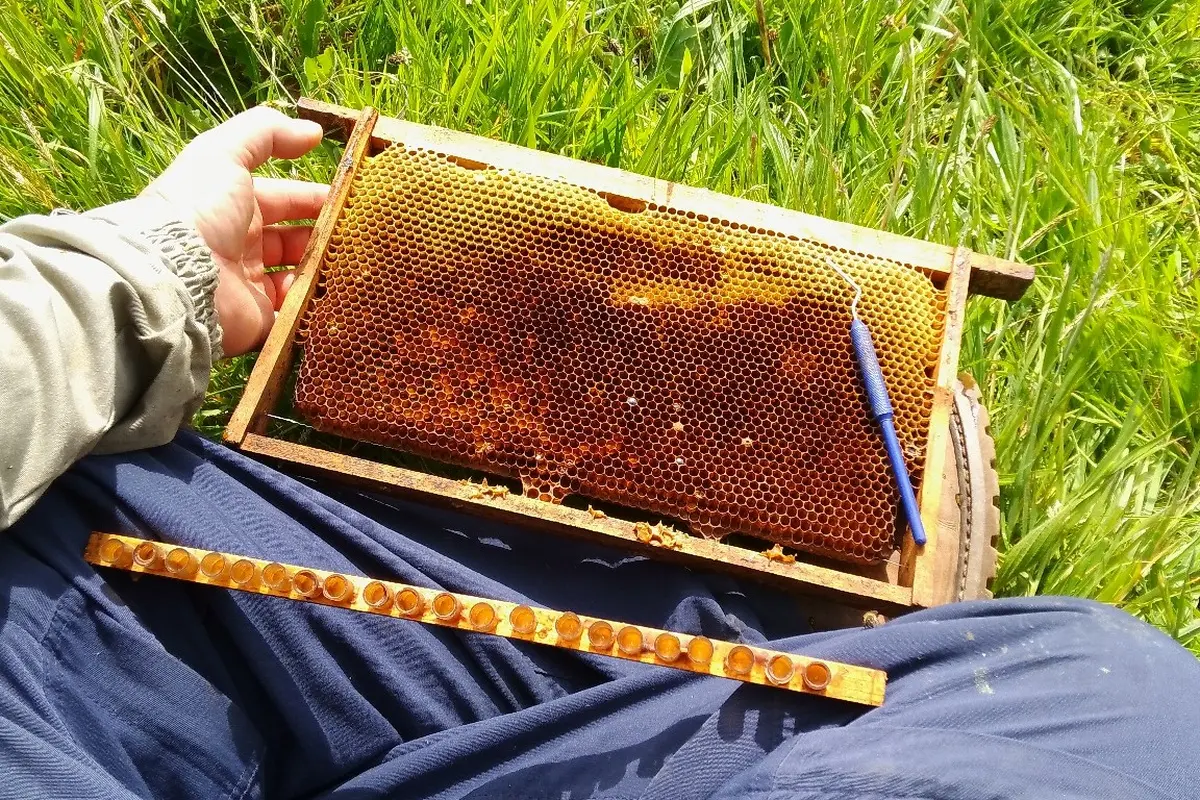
How a Queen Bee Develops: From Egg to Emergence
A queen does not develop simply because a larva is put into a queen cell. She develops because the colony gives a very young female larva the cell, food, care and conditions needed for queen development. The broad timetable is useful for planning, but it is a working window—not a promise of exactly what will…
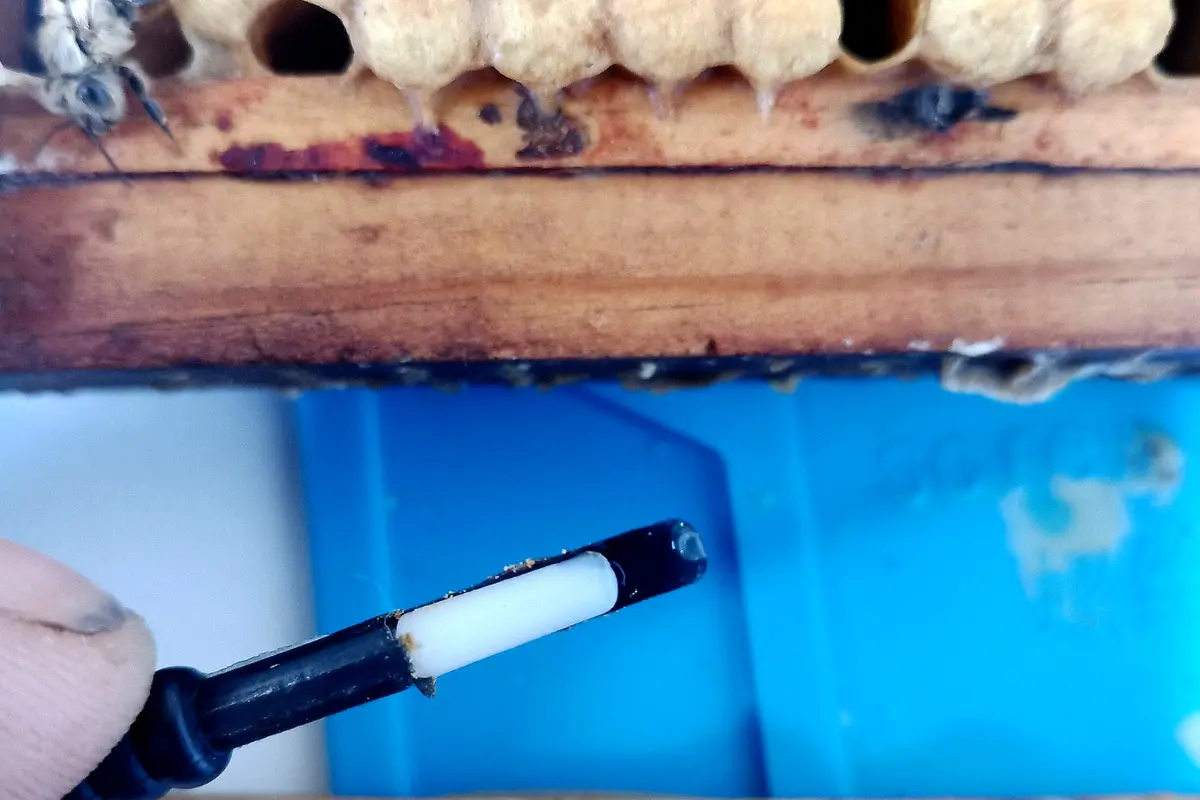
Starting and Finishing Queen Cells: What the Colony Needs
Queen rearing is not only about grafting larvae into cups. The colony must first accept those larvae as queen cells and then continue feeding and caring for them until the cells are mature. A starter and a finisher describe those two jobs. They may be separate colonies or two stages in one carefully managed system.…
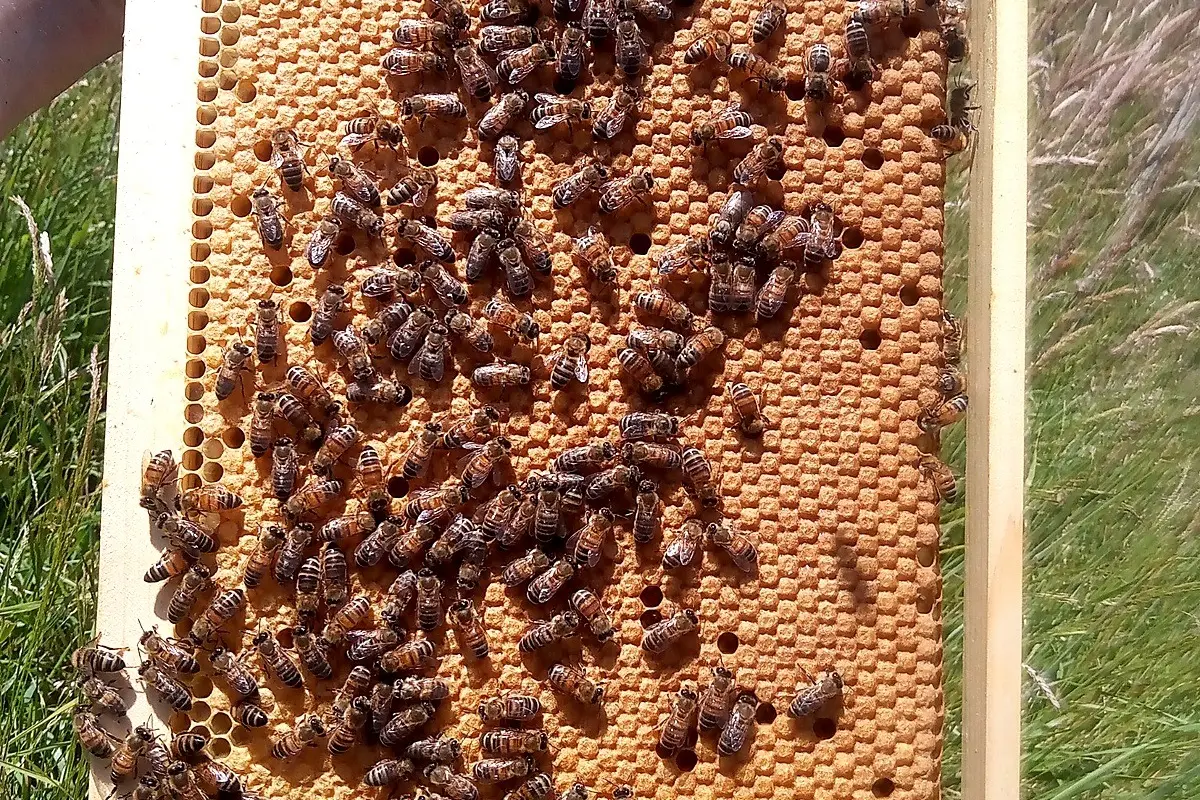
Choosing Source Colonies for Queen Rearing
← Back to Educational Resources Choosing a colony to raise queen cells from is a breeding decision, not simply a question of which hive looks strongest today. The source colony contributes the maternal side of the next generation, so it should be chosen for the direction you want the breeding programme to take. Start with…
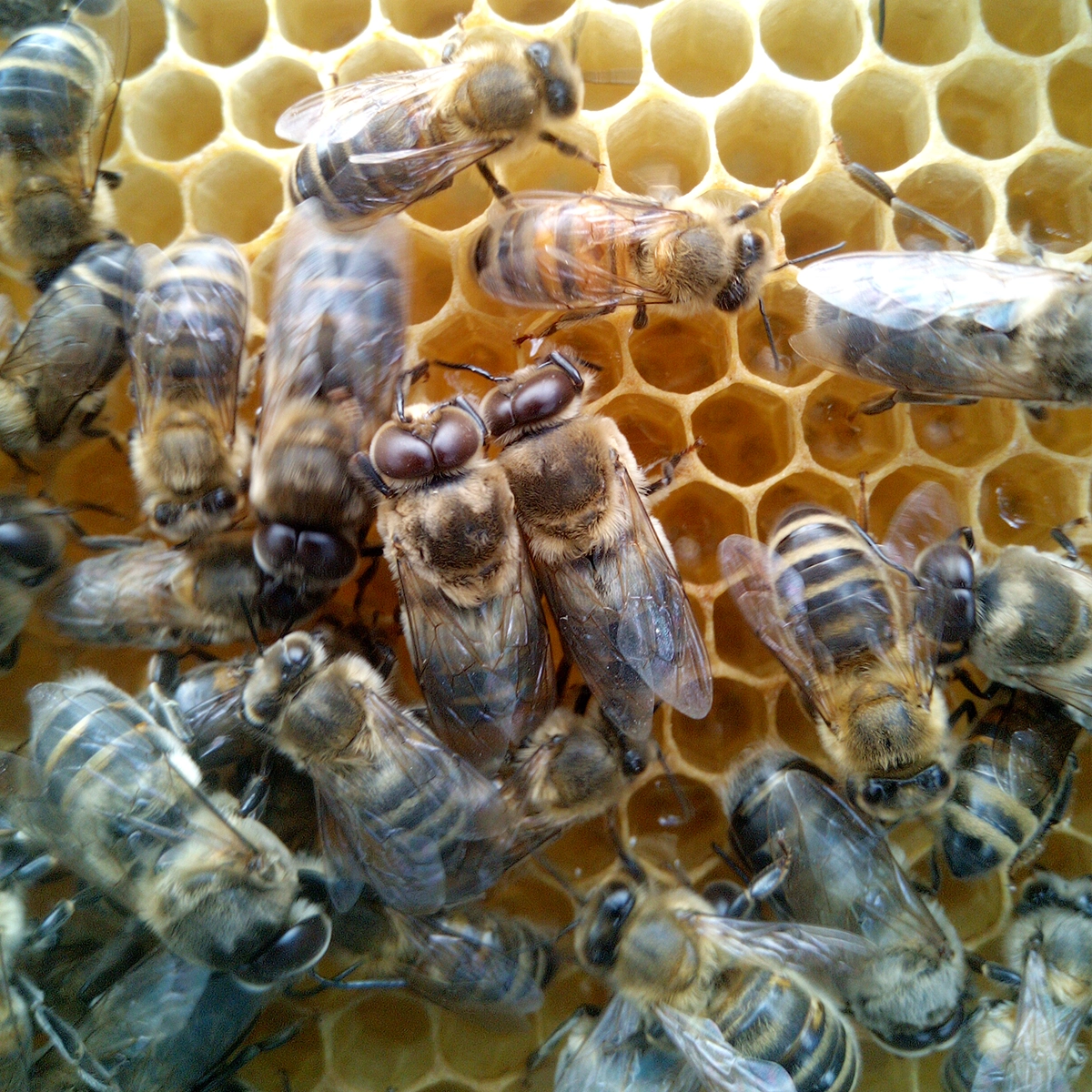
The Drone Side of Queen Breeding
← Back to Educational Resources Queen breeding is often discussed through the choice of a queen mother, but every daughter colony also has a paternal contribution. The drones that mate with a queen influence the genetics of the workers she produces. If the aim is to understand or direct a breeding programme, the drone side…
Queen Mating: From Emergence to First Eggs
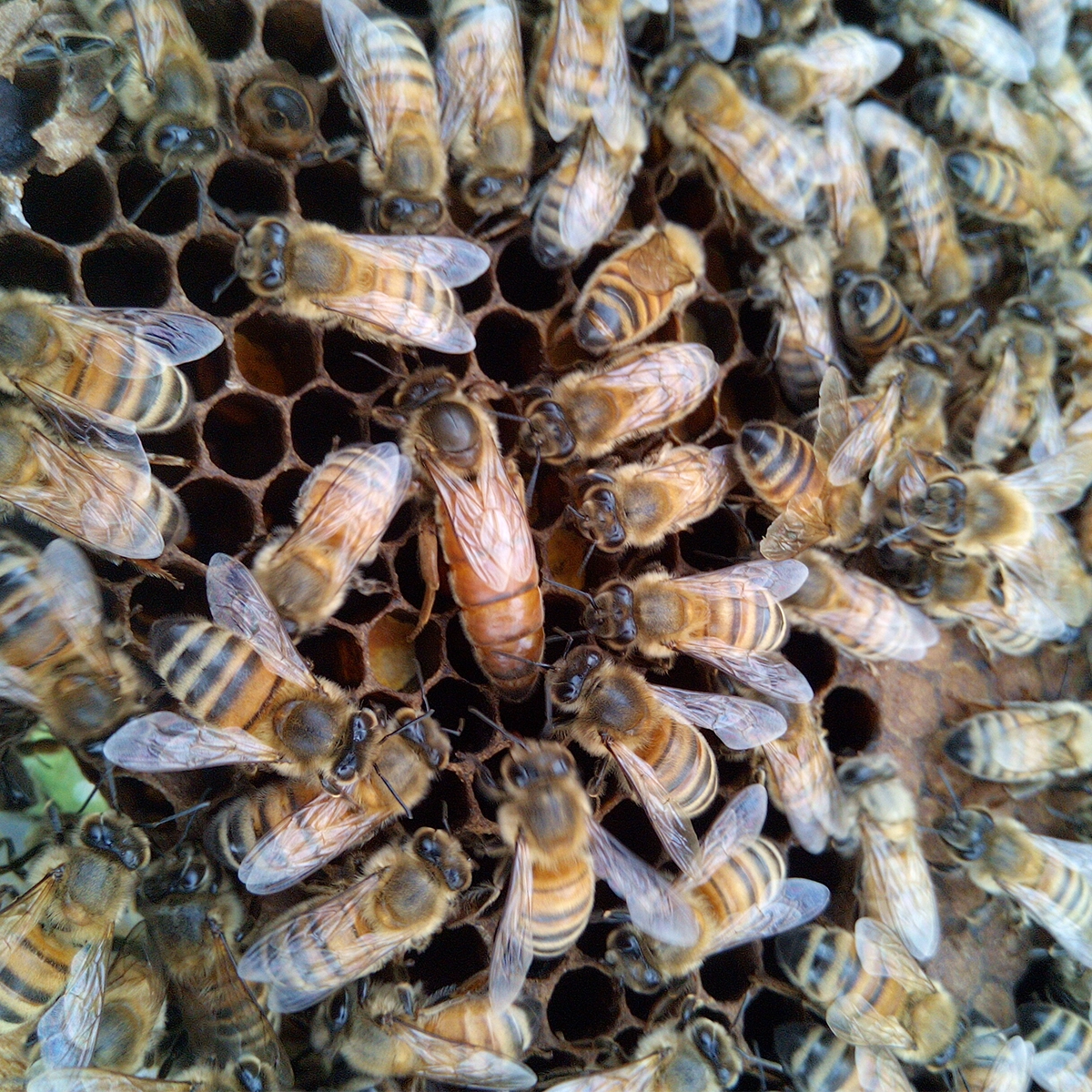
← Back to Educational Resources A virgin queen emerging from her cell is the start of a new stage, not the end of the process. She must mature, orientate, mate if conditions allow and then begin laying. The timings below help you plan checks, but they are ranges to work within rather than dates that…