
← Back to Educational Resources
Explore how a honey bee colony is organised, how brood develops and why colonies change through the season.
-
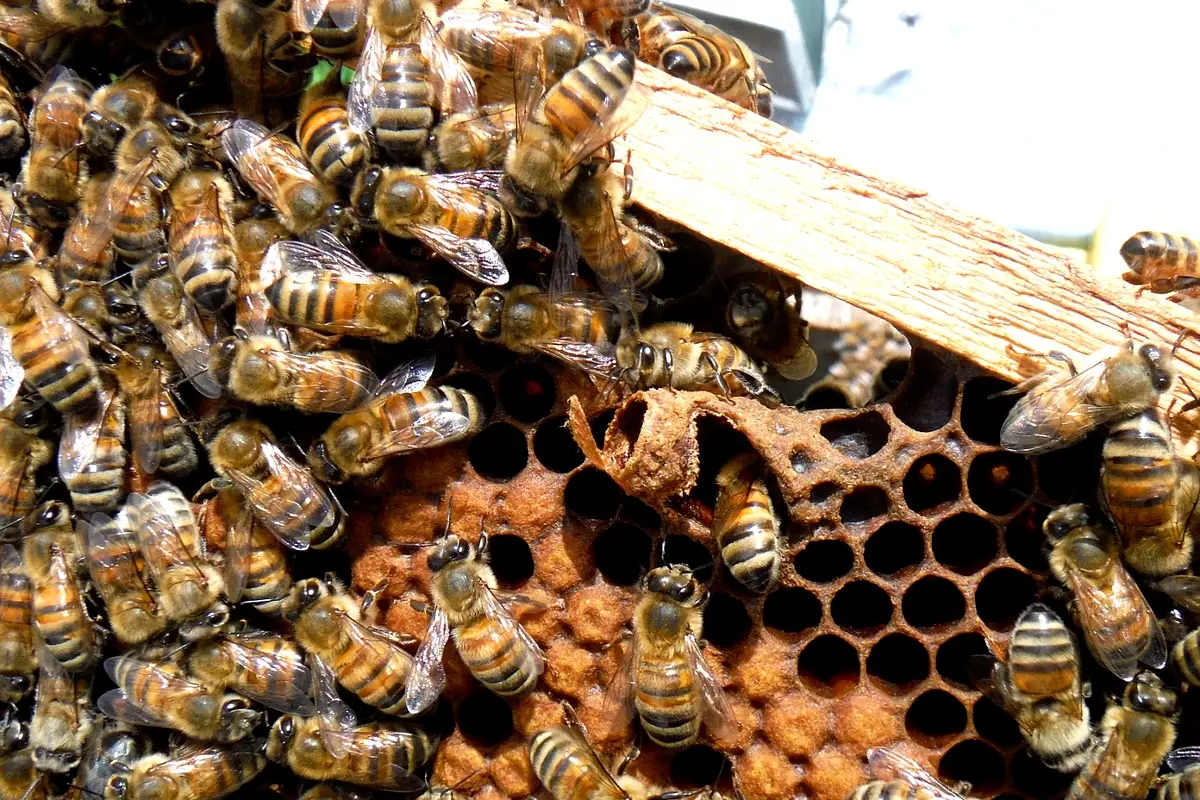
Understanding Brood: Eggs, Larvae and Capped Brood
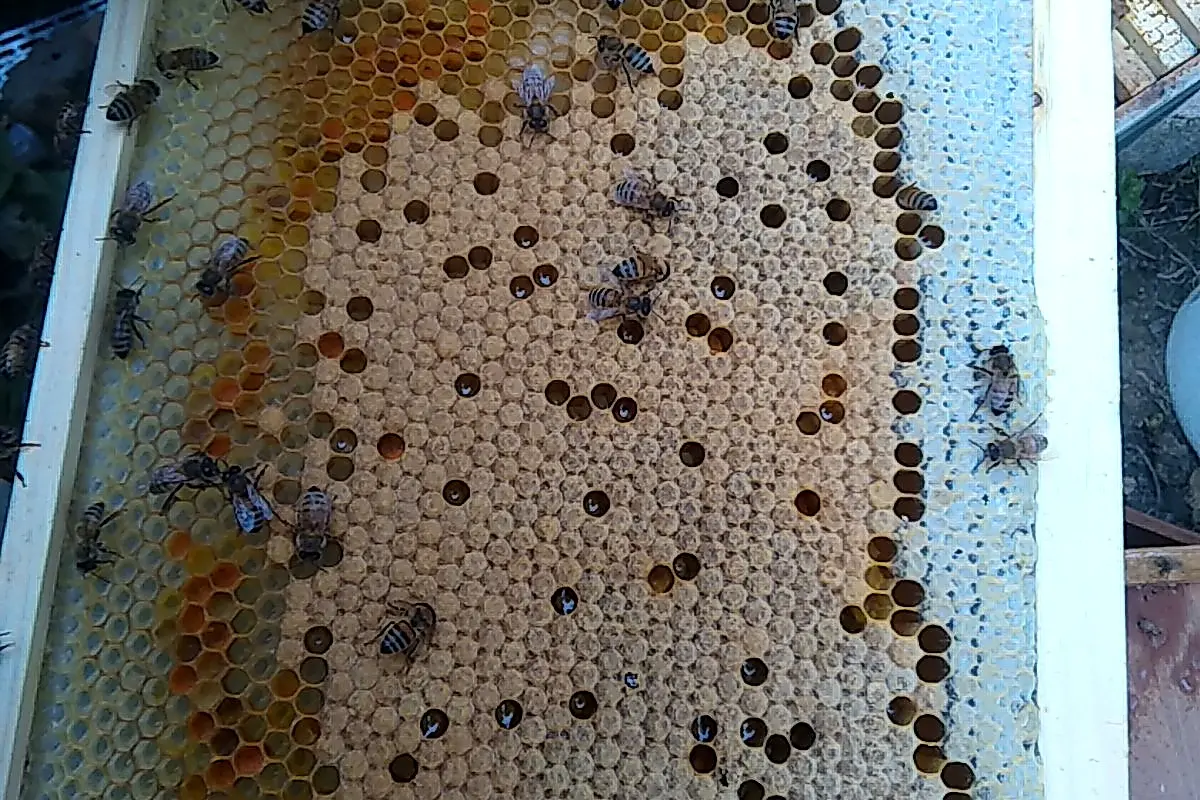
Brood is the developing generation of bees: eggs, larvae and pupae. Learning to recognise these stages is one of the most useful parts of an inspection, because it shows what the colony has been doing recently and what it is likely to become over the coming weeks. Read the brood nest as a whole The…
-
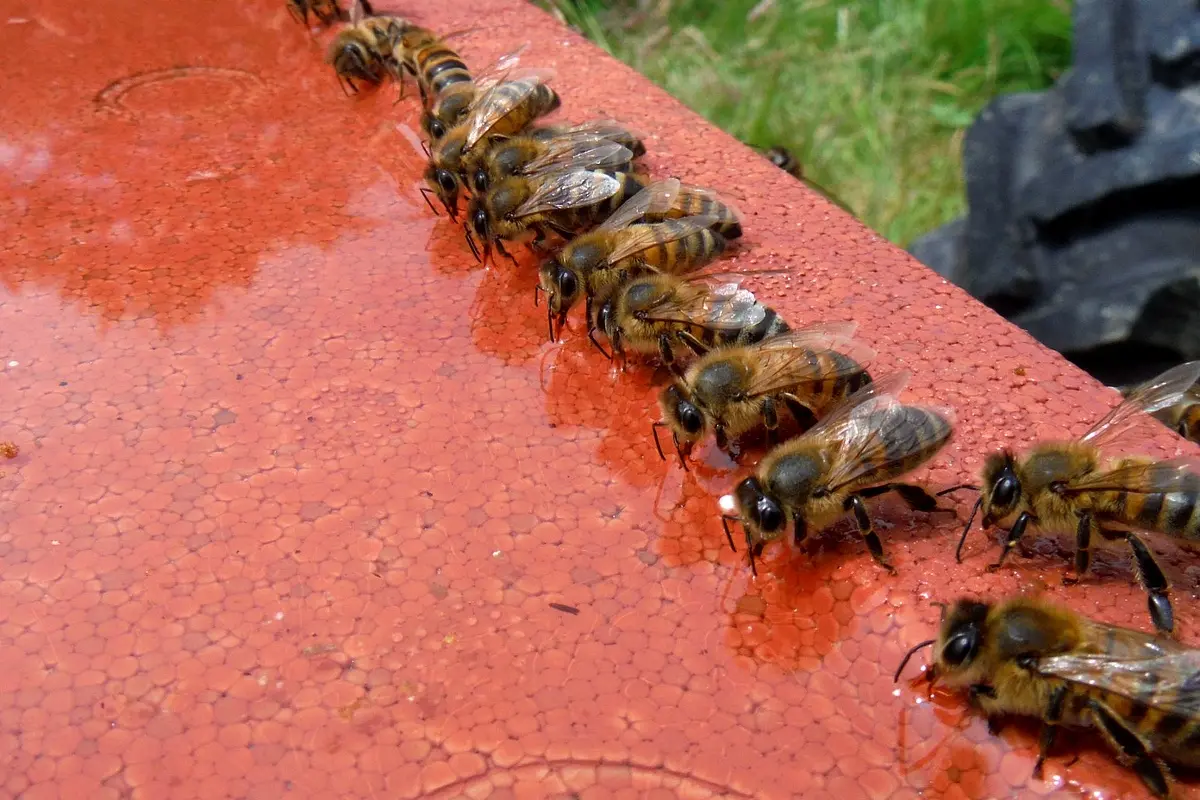
How a Honey Bee Colony Changes Through the Season
A honey bee colony does not follow a fixed calendar. Its population, brood nest, stores and behaviour respond to temperature, weather, forage and the condition of the colony itself. Seasonal patterns are useful context, but the colony in front of you is the evidence that matters. Winter: survival and conservation During colder periods, a colony…
-
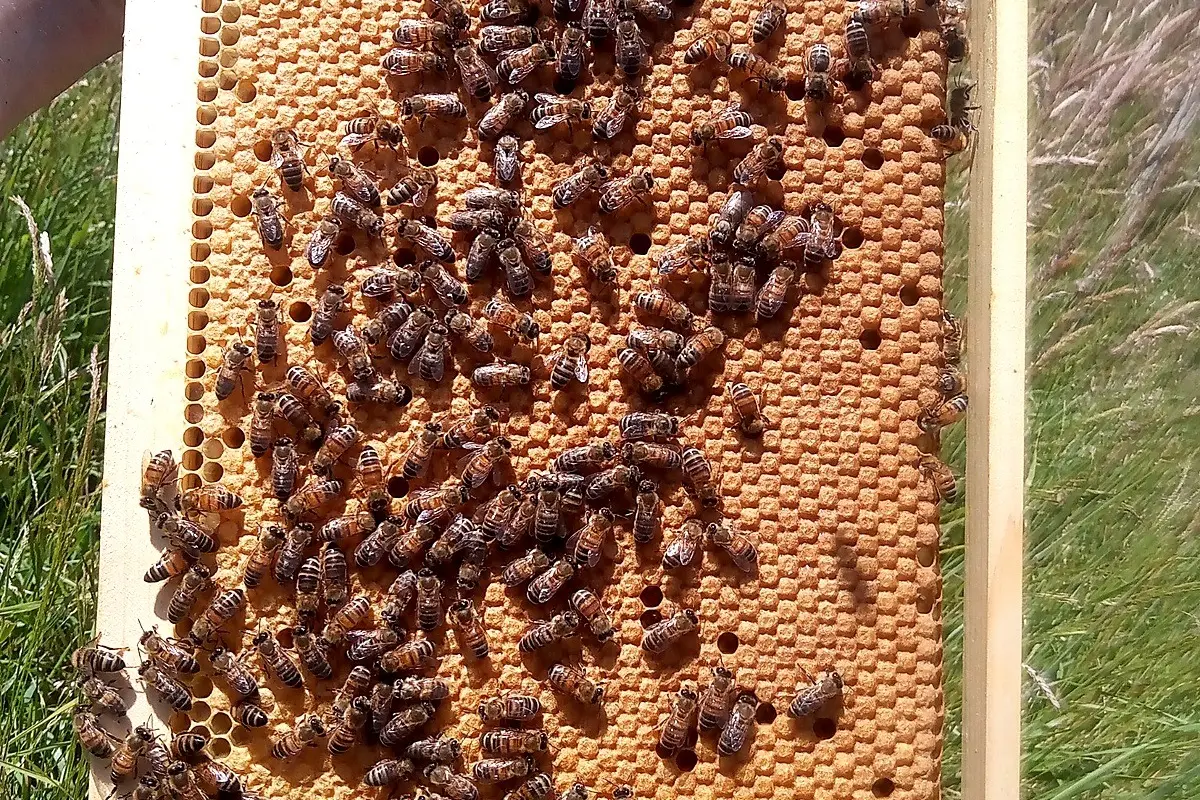
Queens, Workers and Drones: How the Colony Works
A honey bee colony is made up of queens, workers and drones. These are not independent job titles: a colony works through the many interactions between its bees, its brood, its food stores and the conditions around it. Understanding the different roles helps you read a colony, but no single bee—or single sign—explains the whole…
-
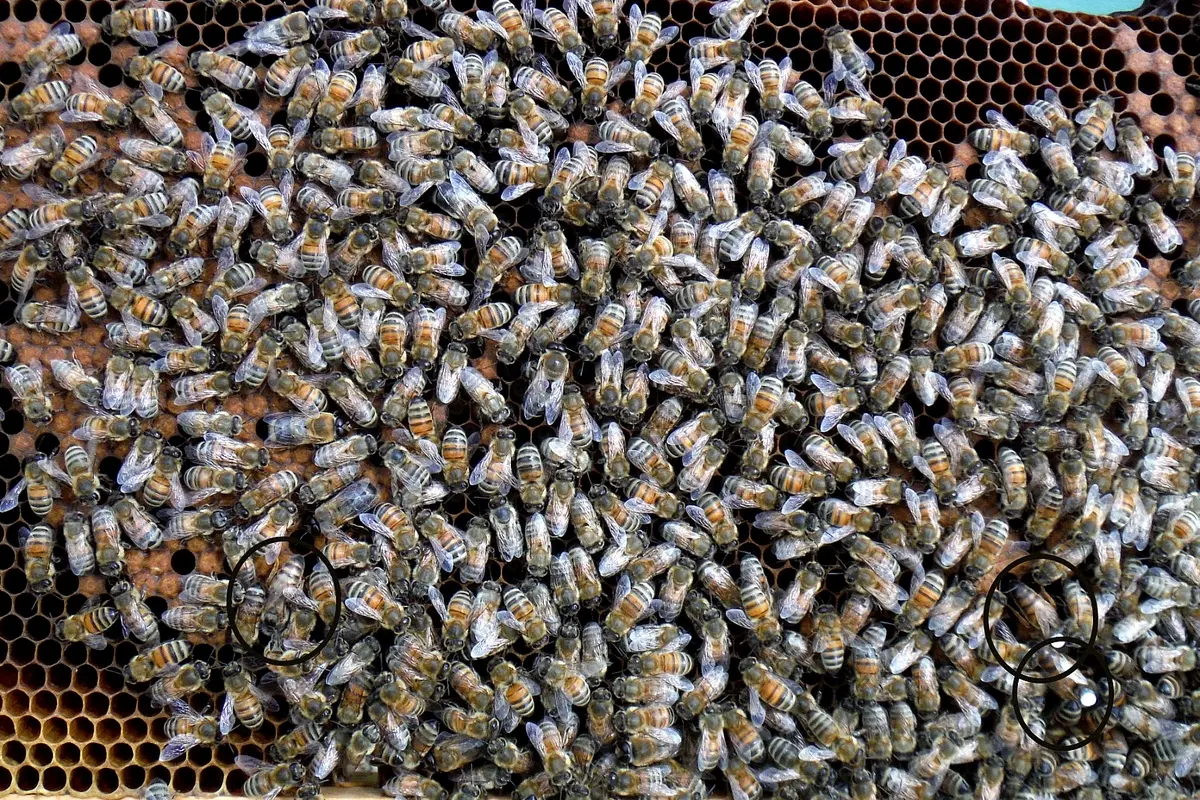
Honey Bee Life Cycles: From Egg to Adult Bee
Every honey bee begins as an egg, but the time taken to become an adult and the work it will later do depend on its caste, the conditions in the colony and the season. The figures below are useful working guides, not deadlines. Development temperature in particular can shift the timing, and colonies do not…
-
First Inspections: What to Look For
A first inspection is not a test that you either pass or fail. Its purpose is to begin learning what a colony looks and feels like when it is going about its normal work, and to notice when something needs closer attention. Keep the first visit calm and purposeful. You do not need to find…