
-
Oct, Sun, 2026

Queens, Workers and Drones: How the Colony Works
A honey bee colony is made up of queens, workers and drones. These are not independent job titles: a colony works through the many interactions between its bees, its brood, its food stores and the conditions around it. Understanding the different roles helps you read a colony, but no single bee—or single sign—explains the whole picture.
The queen: reproduction, not command
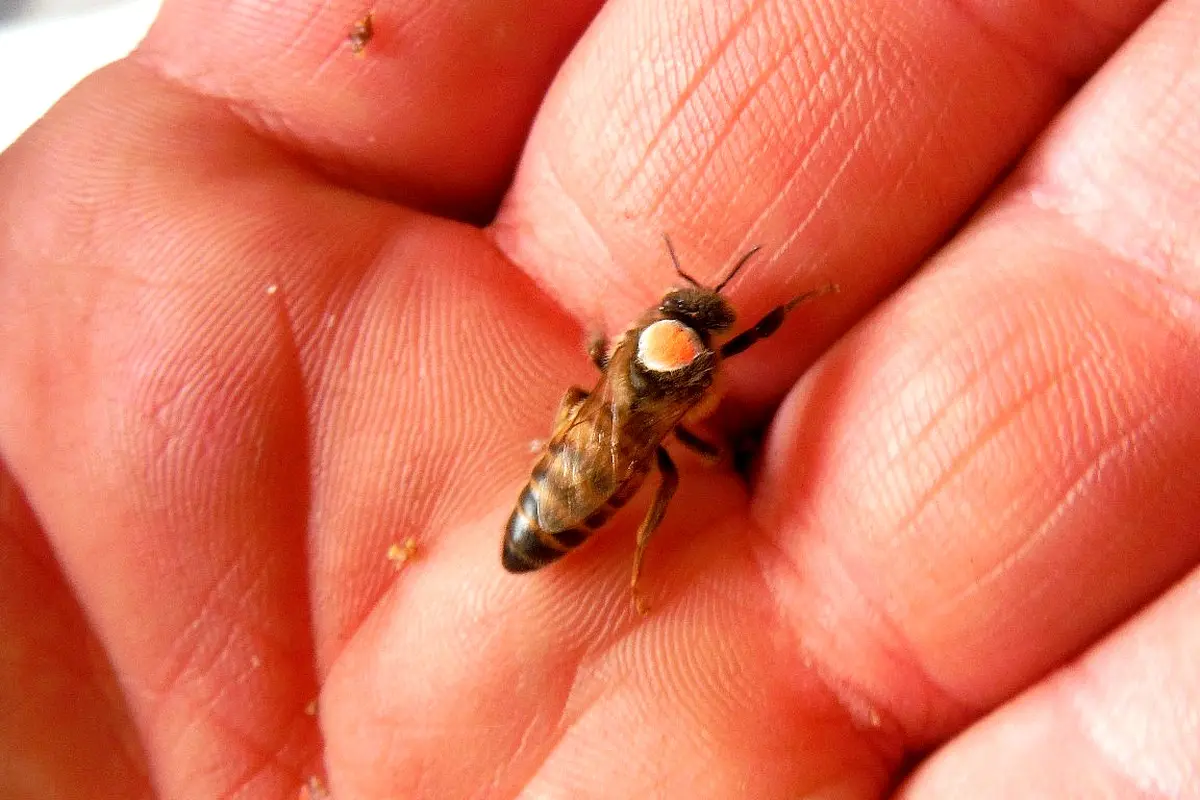
The queen is normally the colony’s main reproductive female. She lays fertilised eggs, which develop into female bees, and unfertilised eggs, which develop into drones. Whether a female larva becomes a worker or a queen depends on how it is reared.
The queen’s pheromones are part of the chemical signalling that helps maintain colony cohesion and reproductive organisation. That does not make her a leader directing individual workers. Colony activity emerges from interactions between bees and from feedback about brood, food, space, weather and other conditions.
Workers: a flexible female workforce
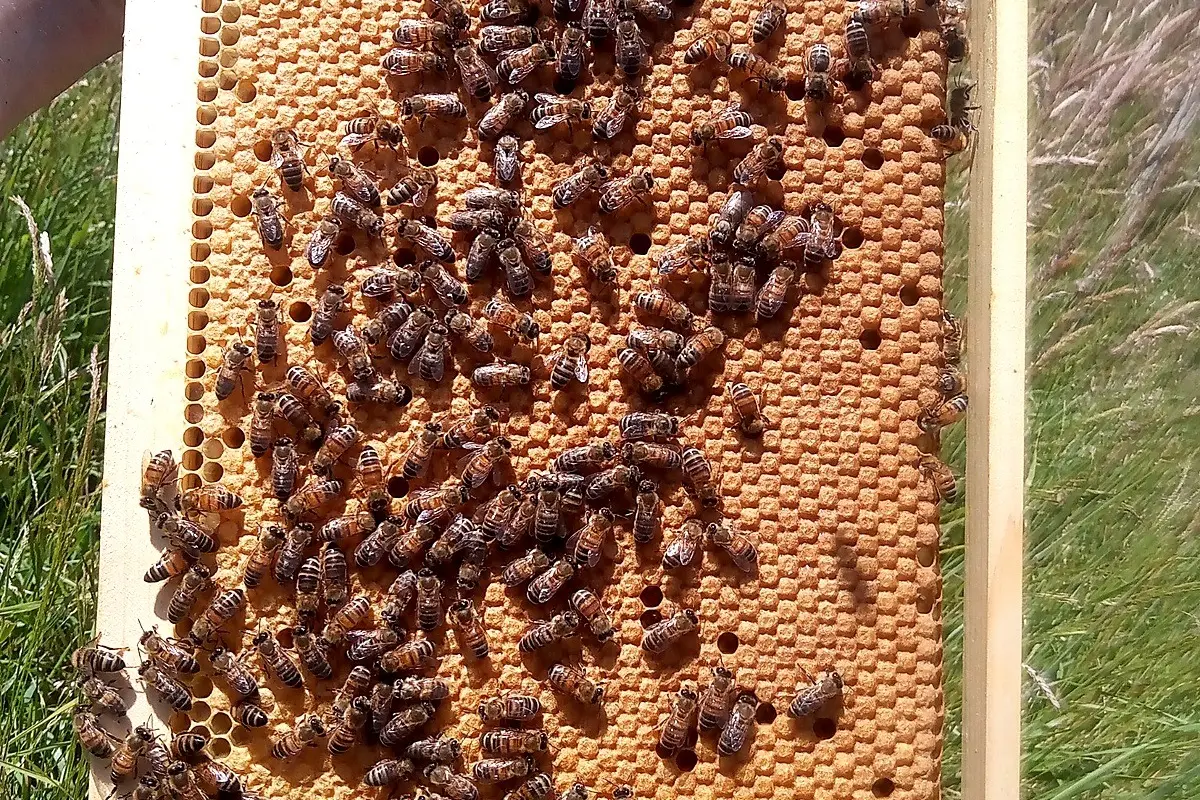
Workers are female bees and carry out the activities that allow the colony to function: cleaning and maintaining the nest, rearing brood, building wax comb, receiving and storing food, ventilating, guarding and foraging.
The type of work a worker is most likely to do often changes with age and physiological state, but it is not a rigid timetable. Workers can respond to what the colony needs. A colony short of foragers, for example, can bring workers into foraging earlier; a colony with a great deal of brood has a different demand on its workers from one preparing to overwinter.
Drones: male bees and mating
Drones are male bees. Their primary biological role is to mate with virgin queens, helping to move genes between colonies. They do not forage for the colony or take part in brood rearing, but they are an important part of the colony’s reproduction and of the wider bee population.
The number of drones and their seasonal presence vary with colony condition, forage and the time of year. Seeing drones is therefore something to place in context, rather than a reason to draw a conclusion on its own.
Roles work together
The queen’s laying establishes the next generation; workers provide the food, warmth, care and nest conditions that allow brood to develop; drones contribute to reproduction beyond the colony. These roles only make sense as parts of a living system. Seeing the queen, seeing drones, or counting a few workers at a task is not, by itself, a verdict on how a colony is doing.
What to look for at an inspection
Rather than trying to count every bee or record every task, ask whether the pattern in front of you makes sense for that colony at that time. Are eggs and brood present where you would expect them? Does the worker population look sufficient for the amount of brood and the season? Are drones present in a way that fits the time of year and the colony’s condition?
Use those observations to predict what you expect to find next time, then test that prediction. A brief note is most useful when something is unexpected, needs action or needs a follow-up—not when a normal colony has simply continued normally.
Next read: Honey Bee Life Cycles: From Egg to Adult Bee