
-
Oct, Wed, 2026

Cleaning and Maintaining Beekeeping Equipment
Maintaining beekeeping equipment happens in two different settings. During the season, you keep the parts in use working cleanly and safely. Between jobs, seasons or apiaries, you decide what can be reused, what needs repair, what needs cleaning or sterilising, and what must not be moved at all. Treating those as separate tasks makes the work more practical and improves biosecurity.
Routine care while equipment is in use
Bees naturally coat their home with wax and propolis, so a working hive does not need to look clinically clean. The aim during inspections is to prevent build-up from interfering with use. Keep frame lugs, top bars and box rebates clear enough that frames lift and return without force. Remove loose brace comb and any wax or propolis that stops boxes sitting properly, but do not chase every trace of propolis: it is part of the colony’s own sealing and arrangement.
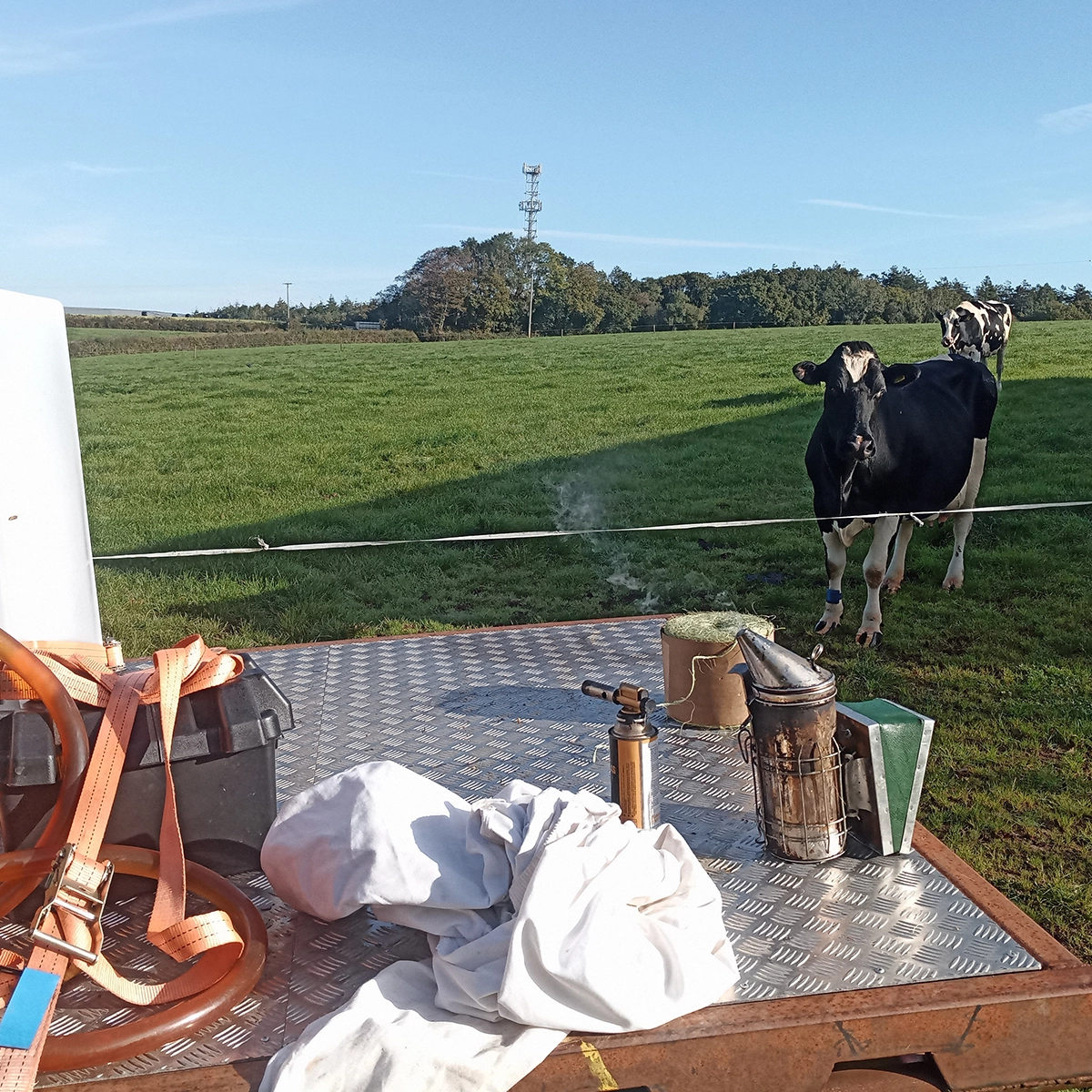
Keep the hive tool, smoker and protective clothing reliable. Scrape the hive tool when it becomes heavily coated; empty the smoker once cold, clear ash from its air path and check its bellows, lid and fuel arrangement. Wash or repair protective clothing as required and replace split gloves or damaged veil fastenings. The point is not appearance; it is calm, dependable work around colonies.
Work to an apiary unit
In routine commercial management, it is practical to treat the colonies in one apiary as a working unit. Hives share an environment and bees may drift or rob, so it is rarely realistic to act as though every colony is completely isolated. Within a healthy apiary, equipment can therefore be managed and used as part of that apiary’s system, while still keeping sensible records of where combs, boxes and queens have come from.
The stronger boundary is between apiaries. Hive tools, gloves, boxes, feeders, floors and other used equipment should be cleaned before they move to another site. Keep equipment awaiting cleaning separate from clean, ready-to-use equipment. This simple distinction makes it easier to avoid bringing an unseen problem from one location to another.
There is an important exception: if you see brood or adult-bee signs that you cannot explain, do not use the usual assumption that the rest of the apiary is clear, and do not move colonies, comb, honey or equipment from the site. Set affected material aside and seek appropriate advice before deciding how it is dealt with.
Cycling equipment out of use
When frames, boxes or other parts come out of use, give them a deliberate assessment rather than stacking them somewhere for later. Ask whether the item is still structurally sound, whether it can be repaired, whether it needs ordinary cleaning before storage, or whether it should be removed from the working system altogether.
Older brood comb is often removed as part of planned comb renewal. Record its origin and reason for removal. Do not treat all old comb alike: comb removed because it is worn or no longer useful is different from comb associated with an unexplained colony problem. Frames with damaged lugs, broken foundation, poor spacing or badly distorted comb can be dealt with before the next active period, rather than becoming an awkward decision during an inspection.
Boxes, floors, crownboards, feeders and queen excluders should be checked for loose joints, warping, damaged surfaces and parts that no longer fit correctly. Repairing or replacing an item while it is out of service is usually quicker and less disruptive than improvising when a colony needs space.
Cleaning, sterilising and storage
Cleaning removes wax, propolis, debris and dirt so that equipment can be assessed, stored and used properly. Sterilising or disinfecting is a different task, used where disease is known or suspected, or where equipment has an uncertain history. The method needs to match the material and the reason for doing it; ordinary scraping and washing are not a substitute for a disease-control procedure.
Follow current National Bee Unit guidance and product instructions for any cleaning or disinfection method. Keep stored equipment dry, protected from bees and pests, and clearly separated by status: clean and ready for use, awaiting cleaning, or isolated pending a decision. That avoids the common problem of a sound spare box being mixed with material that has not yet been checked.
Set up the next job
A short reset after each visit makes the system easier to run: return tools together, note anything that needs repair, and put removed equipment into the correct stream rather than the nearest pile. Good maintenance is not about making every piece of timber look new. It is about reliable equipment, clear separation between apiaries and enough information to make the next decision confidently.