
-
Oct, Sun, 2026

Essential Beekeeping Tools & Clothing
You do not need a large collection of specialist equipment to begin keeping bees. A small number of well-chosen items will help you work calmly, safely and with a clear purpose. Add equipment when you understand the problem it is intended to solve.
Protective clothing
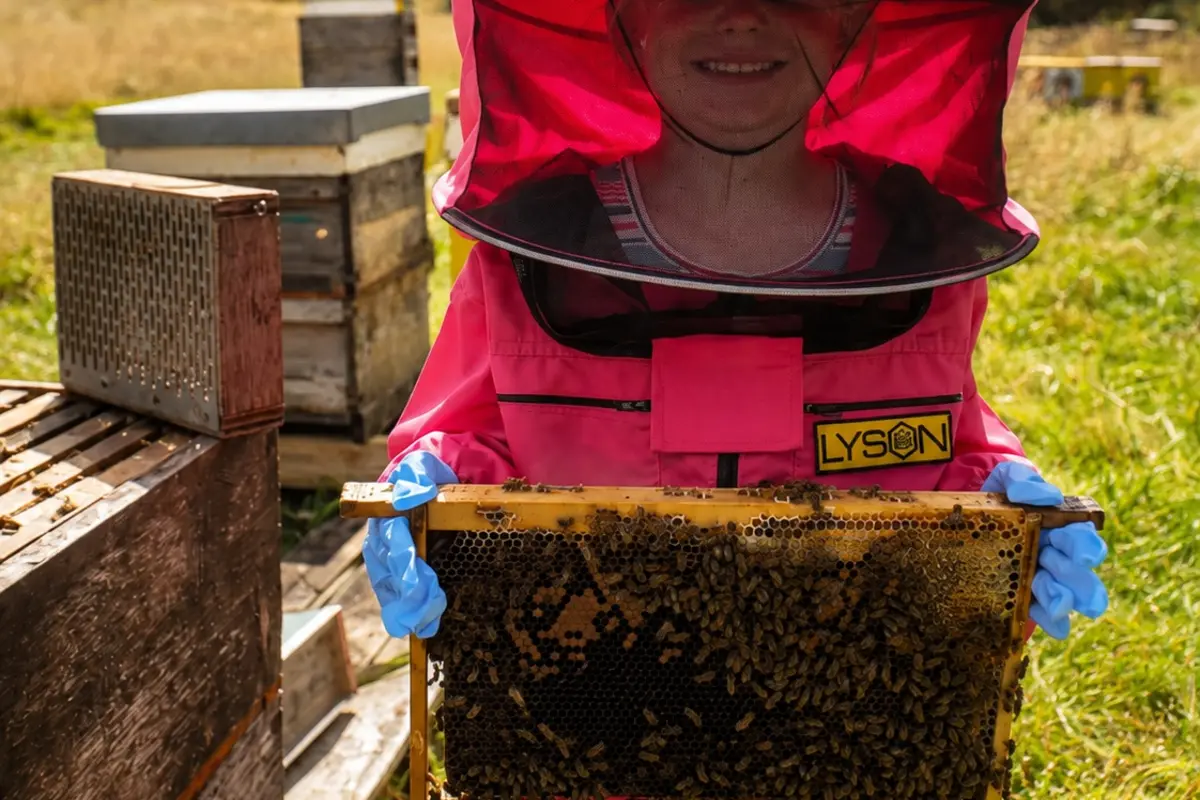
A well-fitting bee suit or jacket with a secure veil is the starting point. It should allow you to see clearly and move easily while keeping bees away from your face, wrists and ankles. Gloves can be useful, particularly while you are gaining confidence or when a colony is defensive, but thick gloves reduce feeling and can make delicate frame handling clumsy. Choose protection that lets you stay calm and work carefully.
A smoker
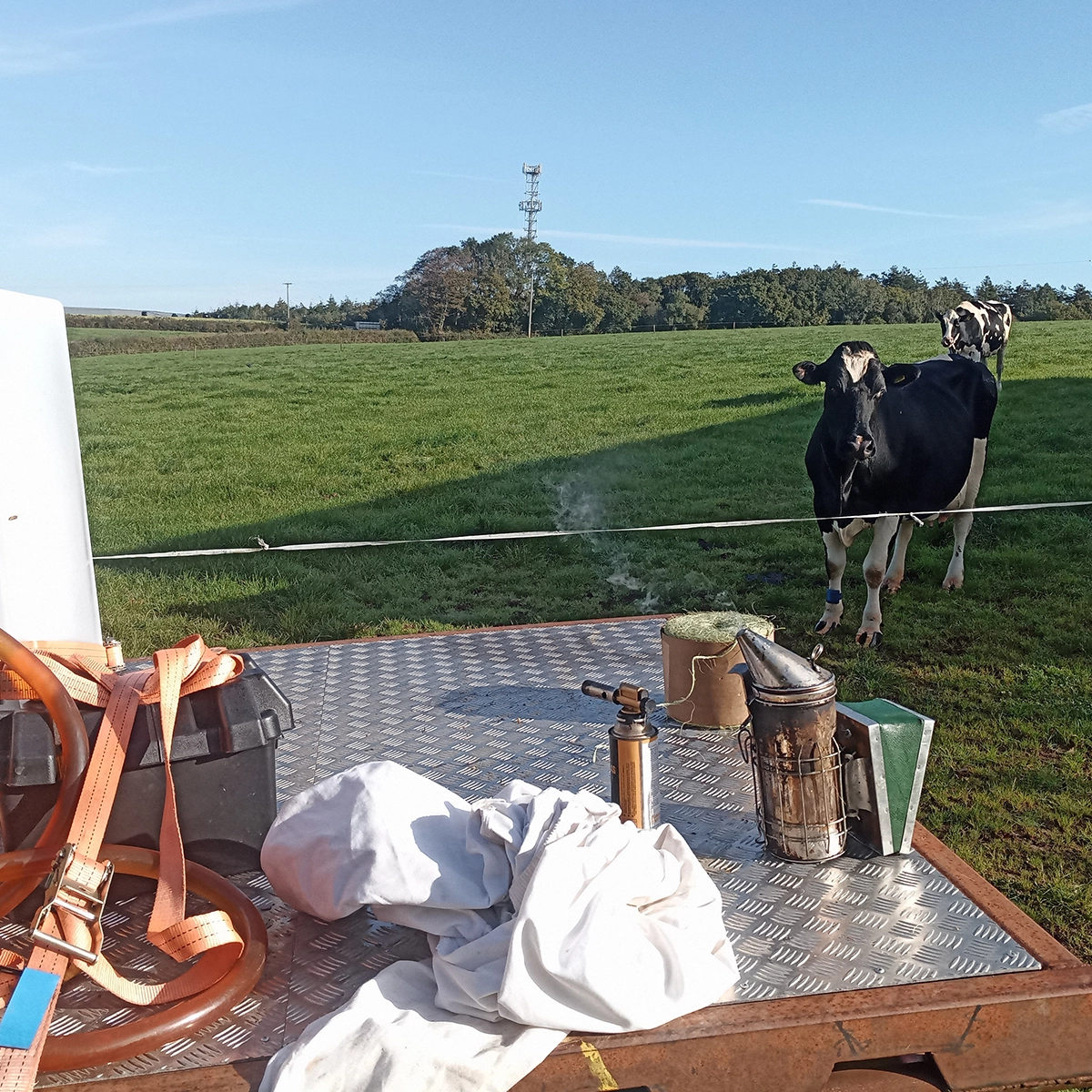
A smoker is an important tool, not something to use automatically. Cool, clean smoke can help make an inspection more manageable, but it does not replace calm movements, gentle handling or choosing suitable weather. Learn to light and maintain it safely before opening a hive, and make sure it is fully extinguished afterwards.
A hive tool
Frames and hive parts are often stuck together with propolis. A hive tool lets you separate them with control rather than forcing them apart. One simple, sturdy tool is enough at first. Keep it clean enough to use safely and avoid leaving it where it can be lost in the grass.
Something to record with
A notebook or simple phone record is useful for short notes: what you noticed, what you expect to see next time, and anything that needs follow-up. Do not feel obliged to turn every inspection into a frame-by-frame inventory. The purpose is to help you recognise the colony’s own pattern and remember exceptions or decisions.
Useful spares
As soon as practical, keep a few compatible spare frames and a spare box, floor or roof available. They give you options when a colony needs more room, a part is damaged or an inspection reveals something unexpected. Buy spares that match the hive system you have chosen; compatibility matters more than accumulating equipment.
What can wait
Extractors, wax-processing equipment, specialist feeders and other accessories may become useful later, but they are not all needed at the beginning. If you expect to take honey, choose or borrow an extractor appropriate to the number of colonies and the frames you use when the time comes. Pre-made equipment can save time; simple jobs you understand and can do safely may be made or repaired yourself. The useful question is whether an item will help you care for the colony well now.
Keep the focus on the colony
Good equipment supports good beekeeping; it does not make decisions for you. Start with clothing that gives you confidence, a smoker, hive tool, a way to make short notes and compatible spares. The rest can follow as your colonies, knowledge and practical needs develop.
Next read: Preparing Your Apiary Site & Hive